 11
11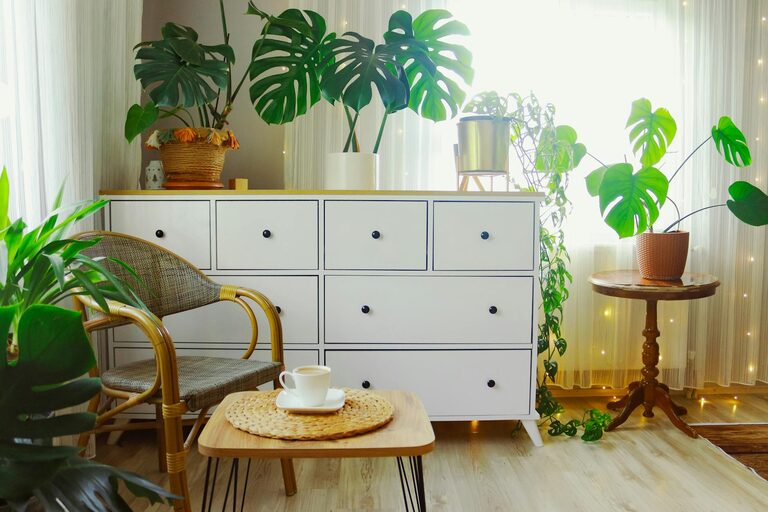
Creating a sustainable and eco-friendly home environment is a rewarding way to contribute positively to the planet while also enhancing your living space. By making thoughtful choices about your home’s energy consumption, materials, and waste management, you can reduce your environmental impact without compromising comfort. Whether you’re starting fresh or adding to existing habits, these tips will help you create a greener, healthier home.
Living sustainably means using resources wisely and minimising waste. A sustainable home can lower utility bills, reduce waste, improve air quality, and inspire others. Small changes add up, making a real difference over time.
Energy use is one of the largest contributors to your home’s environmental footprint. Making your home more energy efficient is both good for the planet and your wallet.
Look for appliances with high energy ratings, such as A+++ on the EU scale, which use less electricity and often water. Replace older devices as they tend to be less efficient.
Insulating walls, roofs, and floors reduces heat loss, keeping your home warmer in winter and cooler in summer. Draft-proof windows and doors to prevent cold air from coming in.
Programmable thermostats and smart heating controls help regulate temperature effectively, heating only rooms in use and avoiding overheating.
LED bulbs consume up to 80% less energy than traditional bulbs and last much longer, making them a simple way to cut down on electricity use.
Water is precious, and using it carefully lowers bills and lessens strain on local resources.
Low-flow showerheads, taps, and dual-flush toilets reduce water use without sacrificing performance.
Use rainwater harvesting systems to collect water for outdoor use such as gardening or cleaning.
A dripping tap wastes a surprising amount of water. Check for leaks regularly and repair them quickly.
Waste contributes to pollution and consumes resources. Living with less waste is key to a sustainable home.
Follow your local recycling guidelines and separate waste properly. Recyclable materials such as paper, glass, and metal should be cleaned before recycling.
Composting food scraps and garden waste reduces landfill waste and creates nutrient-rich soil for your plants.
Choose reusable bags, containers, and water bottles to cut down on disposable plastic waste.
When renovating or decorating, consider environmentally friendly materials.
Wood from sustainable sources, bamboo flooring, cork, and natural fibres (like wool or cotton) tend to have less environmental impact.
Volatile Organic Compounds (VOCs) can harm indoor air quality. Look for paints and finishes labelled as low or zero VOC.
Giving furniture a second life avoids waste and saves resources. Many second-hand pieces have great style and quality.
Indoor plants improve air quality and add natural beauty to your home.
– Plants such as spider plants, snake plants, and peace lilies are known for their air-purifying qualities.
– They help reduce indoor air pollutants and enhance wellbeing.
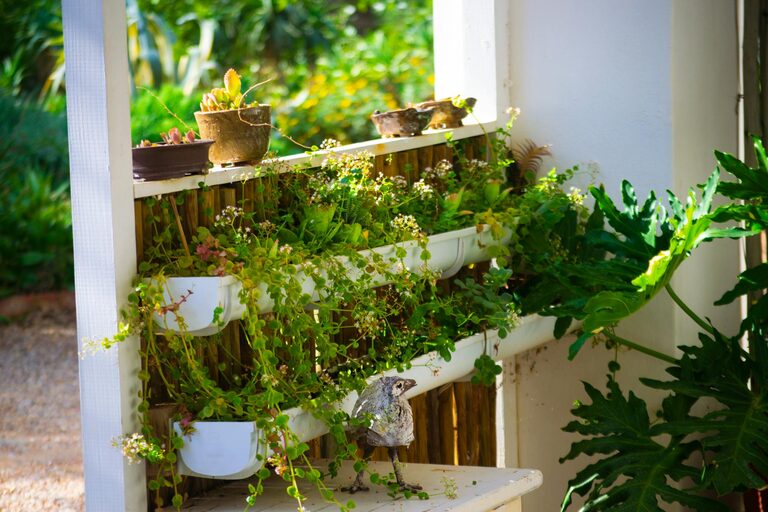
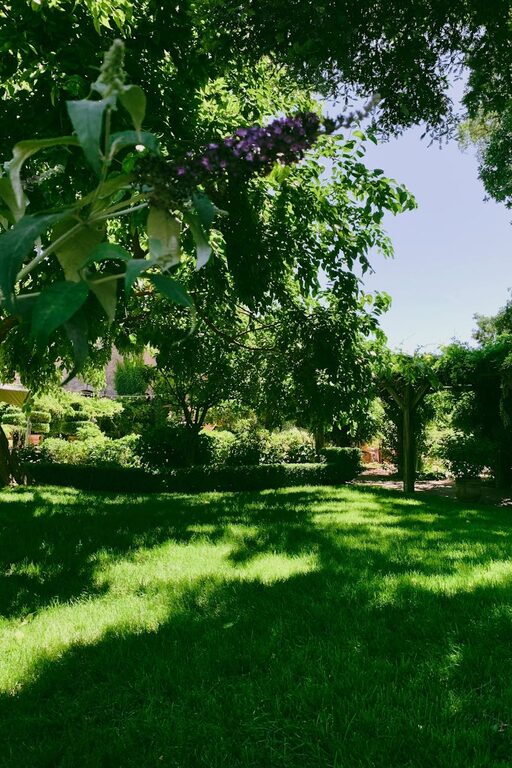
If you have outdoor space, your garden can contribute to sustainability.
– Plant native species which require less water and care.
– Grow your own vegetables and herbs to reduce food miles.
– Use organic fertilisers and avoid chemical pesticides.
Depending on your location and budget, consider renewable energy sources.
– Solar panels can generate electricity and reduce reliance on fossil fuels.
– Solar water heating systems provide hot water using sun’s energy.
– Some communities offer green energy programmes to supply your home sustainably.
Creating a sustainable and eco-friendly home environment is an ongoing process. Start with small changes and build on them, adapting to your household’s needs. Not only will you reduce your environmental impact, but you’ll also enjoy a healthier, more comfortable living space. Every action counts towards a greener future.