 11
11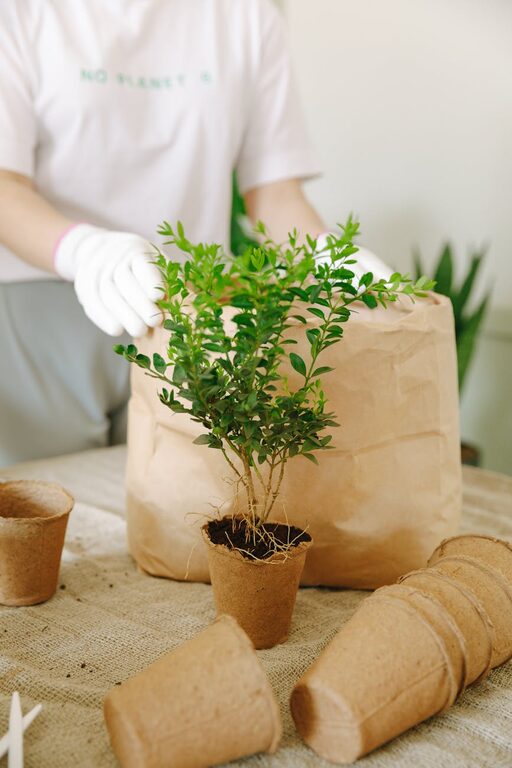
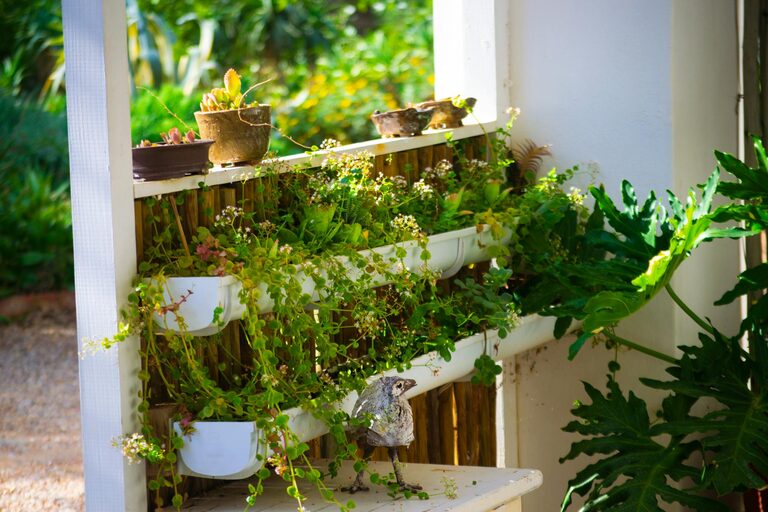
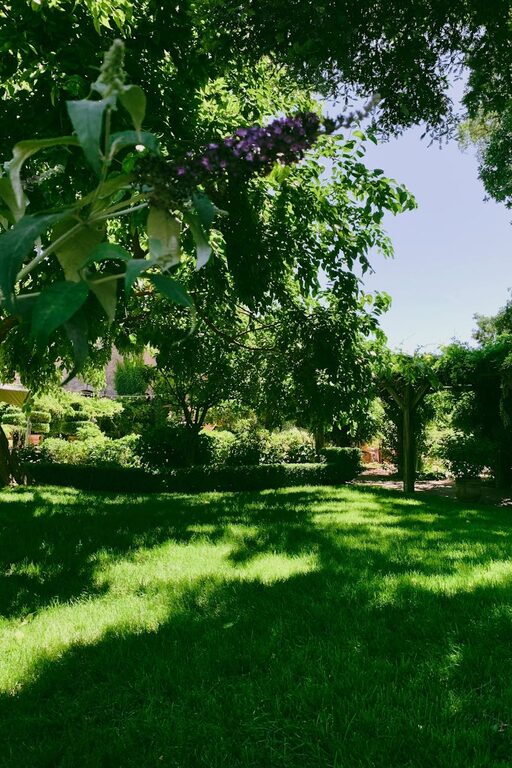
Creating a sustainable and eco-friendly garden at home is a rewarding way to contribute to environmental health while enjoying a beautiful outdoor space. Whether you have a large backyard or a small balcony, there are plenty of ways to garden responsibly, reduce waste, and support local wildlife. This guide offers practical tips to help you design and maintain a green garden that makes a positive impact.
Sustainable gardening focuses on working with nature rather than against it. It minimises waste, conserves water, reduces the use of harmful chemicals, and promotes biodiversity. By establishing an eco-friendly garden, you:
– Reduce your carbon footprint
– Support pollinators and wildlife
– Conserve natural resources
– Improve soil health
– Grow healthier, chemical-free plants
Before planting, thoughtful planning helps you make sustainable choices. Here are some key considerations:
Take note of your garden’s size, sunlight exposure, soil type, and moisture levels. Knowing this helps you select plants that will thrive naturally with minimal intervention. If your soil is poor, consider enhancing it with organic compost rather than synthetic fertilisers.
Native plants are adapted to your local climate and soil, so they generally require less water and care. They also provide food and shelter for native wildlife such as bees, butterflies, and birds. Check with local nurseries or gardening groups for suggestions on suitable species.
Include a mix of flowering plants, shrubs, trees, and groundcovers to create a balanced ecosystem. Diverse plants attract a wider range of beneficial insects and wildlife that help control pests and pollinate flowers.
Once you have a plan, adopting sustainable practices will help you maintain your garden’s eco-friendly status.
Composting kitchen scraps and garden waste creates nutrient-rich soil amendments and reduces waste sent to landfill. You can use a traditional compost bin or try worm composting (vermiculture) for smaller spaces.
Water is a precious resource and conserving it benefits both your garden and the environment.
– Water early in the morning or late in the evening to reduce evaporation.
– Use drip irrigation or soaker hoses to target water directly to plant roots.
– Collect rainwater in barrels to avoid relying solely on mains water.
Avoid synthetic pesticides, herbicides, and fertilisers as they can harm beneficial insects and contaminate soil and water. Instead, use natural alternatives like neem oil or insecticidal soap, and practice crop rotation to keep pests in check.
Apply organic mulch such as wood chips, straw, or leaves to retain soil moisture, suppress weeds, and add nutrients as it decomposes. Mulching also helps reduce soil erosion and temperature fluctuations.
Create habitats for helpful garden visitors by installing bird feeders, bat boxes, or insect hotels. Leave some areas wild or allow a pile of sticks and leaves to remain as shelter for hedgehogs and other small animals.
Using sustainable materials reduces environmental impact further:
– Opt for tools made from recycled or sustainably sourced materials.
– Choose biodegradable plant pots or reuse containers.
– Use natural fibres for garden ties and supports instead of plastic.
Growing fruits, vegetables, and herbs at home reduces food miles and packaging waste.
– Start with easy-to-grow, seasonal crops suited to your climate.
– Use companion planting to improve soil fertility and deter pests naturally.
– Practice crop rotation to maintain soil health.
Keep your garden eco-friendly by:
– Inspecting plants regularly for signs of pests or disease to avoid unnecessary treatment.
– Pruning and maintaining plants properly to encourage healthy growth.
– Harvesting rainwater and monitoring soil moisture to avoid overwatering.
Creating a sustainable and eco-friendly garden is a fulfilling project that benefits your home and the planet. By choosing appropriate plants, conserving resources, supporting wildlife, and reducing chemical use, you can enjoy a thriving green space that makes a positive difference. Start with small steps and adapt as you learn what works best in your garden environment.
Your efforts will not only enhance your outdoor living area but also contribute to a healthier ecosystem for future generations. Happy gardening!