 11
11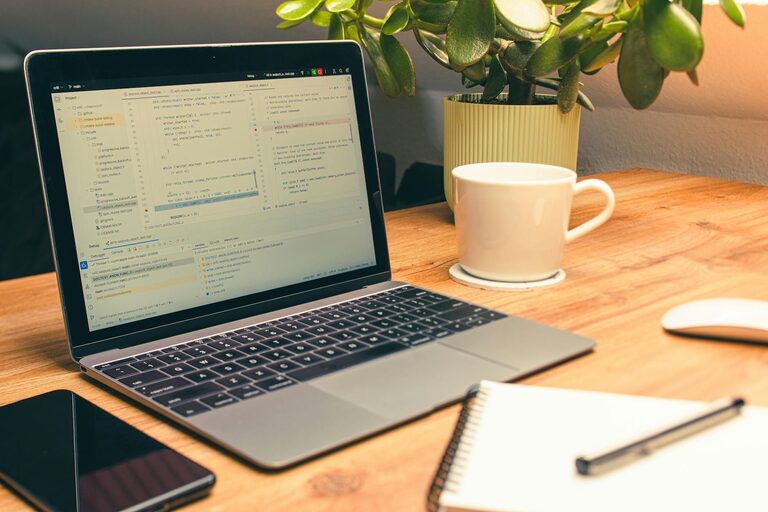
Creating a productive home office space is essential for anyone working remotely or managing tasks from home. A well-designed workspace can enhance focus, reduce distractions, and promote a healthy work-life balance. Whether you have a dedicated room or a small corner, these tips will help you set up a home office that supports your productivity.
Selecting the ideal spot for your home office is the first step to creating a productive environment.
– Quiet and private: Look for a space away from household noise and foot traffic.
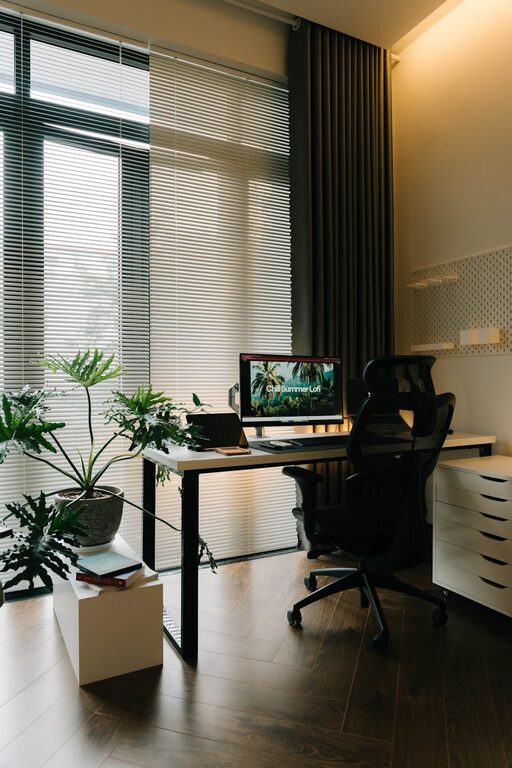
– Natural light: Position your desk near a window to benefit from daylight, which can improve mood and reduce eye strain.
– Space availability: Ensure there is enough room for your desk, chair, and storage solutions without feeling cramped.
Even if space is limited, a well-chosen corner can be transformed into an efficient work area with the right planning.
Comfort matters when working for extended periods. The right furniture supports your posture and helps avoid discomfort.
– Ergonomic chair: Choose a chair that supports your back and allows for adjustable height and reclining features.
– Desk: Opt for a desk at a suitable height to keep your arms at a comfortable angle while typing.
– Flexible setups: Consider sit-stand desks or adjustable desk converters to change your working position throughout the day.
Comfortable furniture makes it easier to stay focused and prevents strain.
An organised workspace minimises distractions and saves time looking for items.
– Shelves and drawers: Use them to store documents, stationery, and personal items.
– Desk organisers: Keep pens, papers, and gadgets within reach but tidy.
– Cable management: Use clips or cable trays to keep wires neat and prevent clutter.
Regularly declutter your workspace to maintain a clean and productive atmosphere.
Proper lighting reduces eye strain and creates an inviting work environment.
– Natural light: Maximise daylight by avoiding placing screens directly opposite windows to reduce glare.
– Task lighting: Use adjustable desk lamps to illuminate your work area, especially during darker hours.
– Ambient lighting: Soft background lighting can reduce contrast and create a balanced atmosphere.
Aim for a mix of lighting sources to keep the space bright yet comfortable.
Keeping distractions at bay is key to maintaining focus.
– Designated work zone: Consistently use your home office space for work only.
– Noise control: Use noise-cancelling headphones or soft background music to block out interruptions.
– Set boundaries: Inform family members or housemates about your working hours.
Establishing a routine and clear boundaries helps reinforce a productive mindset.
A personalised workspace can boost motivation but keep it balanced.
– Inspiring décor: Add plants, artwork, or photos that make you feel good.
– Keep it minimal: Avoid overcrowding the space with too many items.
– Comfort accessories: Consider cushions or footrests for added comfort.
Personal touches should enhance your workspace without becoming distractions.
Technology is vital in a home office but should be used effectively.
– Reliable internet: Ensure strong and stable connectivity for virtual meetings and online work.
– Quality equipment: Invest in a good keyboard, mouse, and webcam to improve your experience.
– Digital organisation: Utilise apps for task management, calendars, and note-taking to stay on track.
Regularly update your devices and software to maintain efficiency.
Finally, fostering a balance between work and relaxation is important.
– Defined work hours: Set clear start and finish times to avoid overworking.
– Breaks: Take regular breaks to stretch and rest your eyes.
– End-of-day routine: Create a ritual to close work time, signalling the transition to personal time.
A thoughtful home office setup supports not just productivity but also wellbeing.
—
Creating a productive home office space is about combining practical elements with personal preferences. By choosing the right location, investing in ergonomic furniture, organising effectively, and managing distractions, you can develop a workspace that supports your work habits and promotes focus. Remember, comfort and balance are just as important as functionality when designing your ideal home office.