 11
11
Creating a beautiful and functional home garden that flourishes all year round is a rewarding project. Whether you have a small backyard or a spacious plot, thoughtful planning and seasonal care can help you enjoy a vibrant outdoor space no matter the month. In this post, we’ll explore expert tips to design, plant, and maintain a garden that’s both attractive and practical throughout the year.
When selecting plants, consider those that offer visual appeal in different seasons. Some plants bloom in spring, others provide lush foliage in summer, while many offer vibrant autumn colours or interesting bark and structure in winter.
– Spring: bulbs like daffodils and tulips, cherry blossoms, and azaleas
– Summer: lavender, roses, hydrangeas, and ornamental grasses
– Autumn: Japanese maple, chrysanthemums, and berries
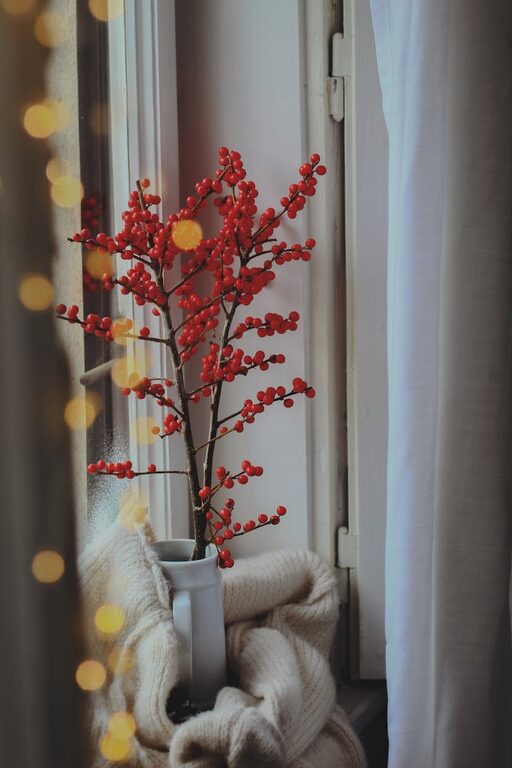
– Winter: evergreens, holly, dogwood with coloured stems
By mixing varieties, you ensure continual visual interest, even in colder months.
Functionality comes from a smart layout. Group plants according to their sunlight and water needs, and think about how you’ll use each area of your garden.
– Place seating areas where you can relax and enjoy your garden
– Include pathways for easy access and maintenance
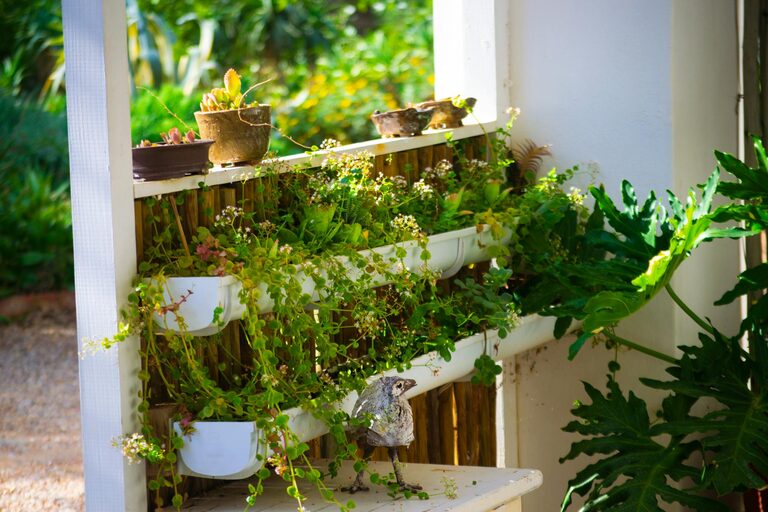
– Consider raised beds or containers for better control of soil and to create focal points
After winter, clear debris like fallen leaves and dead plants. This makes space for new growth and reduces pests.
– Prune damaged branches
– Add compost or well-rotted manure to enrich the soil
– Prepare seed beds and order seeds or seedlings
Summer can be challenging with heat and dry spells. Aim to water your plants early in the morning or late in the evening to reduce evaporation.
– Use mulch to retain soil moisture and suppress weeds
– Deadhead flowers regularly to encourage more blooms
– Watch for pests and diseases and treat promptly
In autumn, focus on preparing your garden for winter and planning next year’s changes.
– Rake fallen leaves and add them to compost or use as mulch
– Plant bulbs that will flower in spring
– Prune shrubs after flowering or before winter
Although growth slows, winter is a critical time to protect your plants and plan.
– Use fleece or garden fabric on sensitive plants to guard against frost
– Keep bird feeders stocked to help wildlife
– Plan any landscaping projects and order seeds early
A garden isn’t just about beauty. Adding herbs, vegetables, or fruit trees can be both attractive and practical.
– Plant herbs like rosemary, thyme, and basil in sunny spots near the kitchen
– Grow salad leaves and vegetables in raised beds or containers for easy access
– Fruit trees and bushes can provide seasonal yields and add structure
Water features such as small ponds or fountains create a soothing atmosphere and attract wildlife.
– Position water features where you can see and hear them easily
– Use solar-powered garden lights along paths or in flower beds to extend usability into the evening
Keeping your tools clean and sharp makes garden chores easier and safer.
– Clean and oil tools after use
– Store them in a dry, accessible place
– Invest in ergonomic tools to reduce strain
Gardens thrive best when you work with nature rather than against it. Consider these eco-friendly approaches:
– Collect rainwater in barrels to use for watering
– Choose native plants that support local wildlife
– Avoid chemical pesticides and fertilisers where possible
Designing and maintaining a home garden that looks beautiful and serves your needs throughout the year requires patience, care, and a bit of planning. By thinking seasonally, choosing the right plants, and blending functionality with aesthetics, your garden will be a welcoming and enjoyable space in all months. Happy gardening!