 11
11
Creating a relaxing garden space in your home backyard is a wonderful way to bring peace and tranquillity to your daily life. Gardens offer a natural retreat where you can unwind, enjoy fresh air, and connect with nature without leaving your home. Whether you have a large backyard or a small outdoor area, there are simple ways to design a calming garden space that suits your lifestyle and preferences. In this post, we’ll explore easy steps to help you create your ideal garden sanctuary.
Before you start planting or purchasing garden features, take a moment to evaluate your backyard. Consider the size, sunlight exposure, and existing plants or structures. Ask yourself:
– How much time do I want to spend maintaining the garden?
– What activities will I use the space for? (e.g., reading, yoga, entertaining)
– What kind of atmosphere do I want to create? (e.g., colourful and lively, serene and minimalist)
Having clear goals will guide your gardening choices and ensure the space meets your needs.
A relaxing garden needs comfortable seating where you can sit back and enjoy your surroundings. Options include:
– Garden benches: These are classic and can be positioned to enjoy the best views.
– Hammocks or swinging chairs: Great for a laid-back vibe and gentle movement.
– Outdoor cushions or bean bags: Provide informal, cosy seating areas on patios or lawns.
Place the seating in shaded spots for comfort during warmer days, or consider adding a pergola or umbrella for protection from the sun.
The gentle sound of water is universally calming. Adding a water feature can elevate the peaceful atmosphere of your garden. Consider:
– Small fountains: They recirculate water and are easy to install.
– Ponds: Provide a habitat for wildlife and a reflective focus point.
– Birdbaths: Attract birds and offer visual and auditory enjoyment.
Ensure the water is kept clean and fresh to avoid any unpleasant smells or pests.
A garden that appeals to multiple senses is naturally more relaxing. Select plants that offer visual interest, fragrance, texture, and even taste. Ideas include:
– Fragrant herbs: Lavender, rosemary, and mint add scent and can be used in cooking.
– Colourful flowers: Choose blooms with a calming palette, such as soft blues, whites, and purples.
– Textured foliage: Grasses and ferns offer gentle movement and contrast.
– Fruit bushes or trees: Providing fresh produce adds purpose and enjoyment.
Planting in layers—from ground cover to shrubs and trees—adds depth and a feeling of enclosure.
If possible, designate areas within your garden that are away from street noise or household activity. You can use natural screens like tall hedges or bamboo to block noise and visual distractions. Consider adding:
– A meditation corner: A small space with a mat or cushion.
– Reading nook: A sheltered spot with comfortable seating and good lighting.
– Yoga space: A flat area free from clutter for stretching and mindfulness.
These zones encourage different types of relaxation and cater to various moods.
Lighting plays a big role in setting the mood, especially in the evening. Soft outdoor lighting will help you enjoy your garden after sunset. Some options include:
– Solar-powered lanterns: Easy to install and eco-friendly.
– String lights: Create a warm, magical ambience.
– Spotlights on feature plants: Highlight focal points without being too bright.
Avoid harsh or overly bright lights as they can detract from the tranquil atmosphere.
Paths help guide you through the garden and encourage exploration, which can be calming. Use natural materials such as:
– Gravel, stone, or wood chips for soft sounds underfoot.
– Meandering paths rather than straight lines to make the space feel larger and more leisurely.
Make sure paths are wide enough and clear of obstacles to prevent stress and encourage relaxed walking.
Finally, personalise your garden with elements that bring you joy and peace, such as:
– A favourite statue or ornament.
– Wind chimes that provide gentle sounds.
– A small greenhouse for nurturing plants.
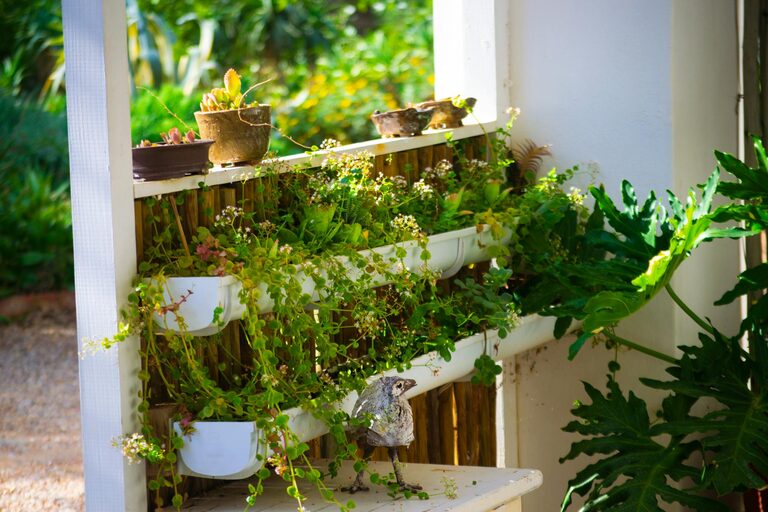
– Containers with your choice of flowers or vegetables.
Personal touches make your garden feel truly yours and encourage you to spend more time there.
A relaxing garden doesn’t need to be high-maintenance. Choose low-maintenance plants suited to your local climate and soil. Regular but simple upkeep such as watering, pruning, and clearing debris keeps the space inviting without feeling like a chore.
Transforming your backyard into a relaxing garden space is achievable with a few thoughtful adjustments. Focus on comfort, sensory experiences, and natural beauty to create a peaceful haven that suits your lifestyle. Soon, you’ll have your own tranquil retreat to enjoy throughout the year.
Take your time, enjoy the process, and happy gardening!