
 11
11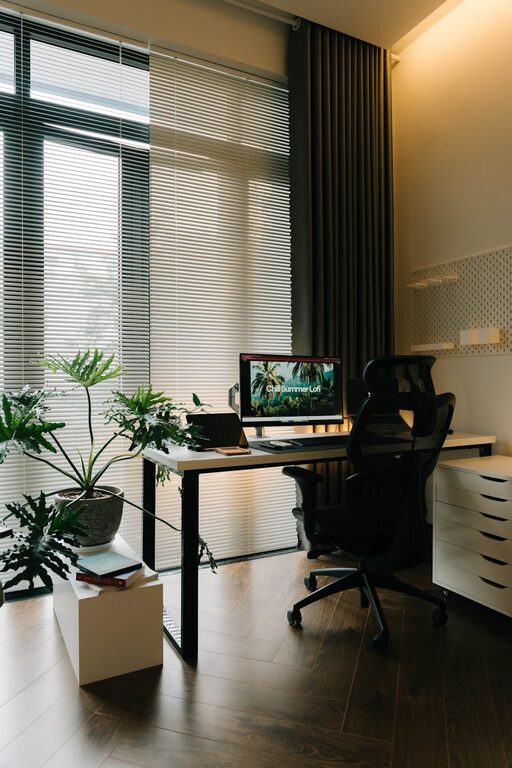
Creating a home office that balances productivity and relaxation can make all the difference in your work-from-home experience. Whether you’re working remotely full-time or occasionally need a dedicated workspace, designing an environment that inspires focus and well-being is essential. Here are practical tips to help you create a home office space that supports both concentration and calm.
The first step is selecting the best spot in your home for your office. Ideally, this should be a quiet area with minimal distractions. If possible, avoid high-traffic zones like the kitchen or living room where noise and interruptions are common.
– Preferably, choose a room with a door to separate work time from personal life.
– If a separate room isn’t available, designate a corner or space with clear boundaries.
– Natural light is a bonus as it helps improve mood and productivity.
Comfort is key when spending hours at your desk. An ergonomic setup can reduce strain, prevent discomfort, and sustain productivity throughout the day.
– Select a chair that supports your lower back and allows you to sit with feet flat on the floor.
– Use a desk at an appropriate height to avoid hunching.
– Consider accessories like adjustable keyboard trays or monitor stands to maintain a neutral posture.
A cluttered space can clutter the mind. Staying organised helps reduce stress and creates a visually relaxing environment.
– Use storage solutions such as shelves, filing cabinets, or drawer organisers.
– Keep frequently used items within easy reach.
– Label boxes and folders to quickly find documents.
– Digital organisation matters too – maintain a clean desktop and clear email inbox.
Colours affect mood and concentration. Aim for tones that promote focus yet provide a calm atmosphere.
– Soft blues, greens, and neutrals like beige or light grey are popular choices.
– Avoid overly bright or distracting colours that can cause eye strain or agitation.
– Personalise with plants or artwork to make the space inviting.
Proper lighting reduces eye strain and maintains energy levels.
– Maximise natural light by positioning your desk near a window.
– Use adjustable desk lamps with warm light for evenings or gloomy days.
– Avoid harsh fluorescent lighting where possible.
Sound management can improve concentration and relaxation.
– Use noise-cancelling headphones if you live in a noisy environment.
– Consider soft background music or white noise to mask distractions.
– Set boundaries with family or housemates about your working hours.
Having a dedicated area to step away from the screen encourages regular breaks and mental resets.
– A comfortable chair or small sofa nearby can serve as a relaxation spot.
– Use this space for stretching, short meditation, or simply a change of scenery.
Fresh air and good ventilation improve focus and health.
– Open windows regularly to circulate air.
– Introduce air-purifying plants like spider plants or peace lilies.
– Avoid stuffy rooms which can cause sluggishness.
Adding personal touches creates a sense of ownership and comfort, provided they don’t distract.
– Family photos, motivational quotes, or inspiring artwork can enhance your mood.
– Keep the decor minimal and meaningful to avoid overcrowding.
Your environment supports your habits, so set clear routines to stay productive.
– Allocate regular work hours and stick to them.
– Use physical cues, like closing your office door, to signal the start and end of work.
– Avoid working from bed or relaxing areas to maintain separation between work and rest.
The right tech tools can streamline work without overwhelming you.
– Invest in reliable internet and equipment.
– Use apps for task management, time tracking, or focus enhancement.
– Keep cables organised to prevent visual clutter.
—
Creating a home office that is both relaxing and productive doesn’t require a complete overhaul. Thoughtful design choices, organisation, and good habits can transform even a small corner into an effective and enjoyable workplace. Remember, the goal is to foster focus while also supporting your well-being, so tailor the space to what feels best for you. Happy working!