 11
11
Creating a relaxing garden space at home is a wonderful way to add tranquillity and beauty to your daily life. Whether you have a large garden or a small balcony, thoughtful design and a few simple elements can help you craft a peaceful outdoor retreat. In this post, we’ll explore practical tips to help you create a garden space where you can unwind, enjoy nature, and refresh your mind.
Spending time outdoors in a calm environment has many benefits, including reducing stress and improving mood. A well-designed garden can become your sanctuary—a private haven to read, meditate, entertain friends, or simply enjoy a cup of tea surrounded by nature’s sights and sounds.
Begin by taking a good look at your garden size, shape, and current features. Note areas that get plenty of sun or shade, and observe any views you might want to enhance or screen off for privacy.
Think about how you want to use your garden. Do you prefer a quiet spot for relaxation, a lively space to gather with family, or a mix of both? Your purpose will guide your choices for seating, plants, and layout.
Comfort is key for a relaxing garden. Consider chairs or benches with cushions and backs to support restful sitting. Swing seats or hammocks can add a playful yet soothing element. For smaller spaces, foldable chairs or floor cushions offer flexibility.
Adding a pergola, umbrella, or shade sail can protect you from strong sun or light rain. This makes your garden usable throughout the day and in various weather conditions.
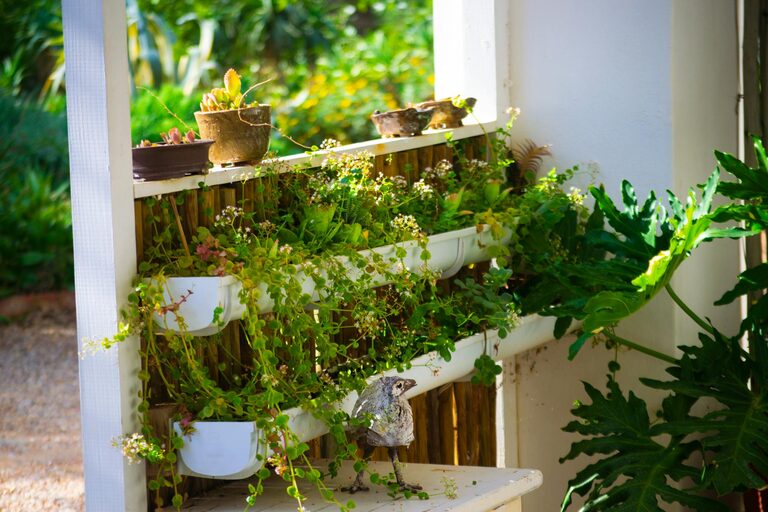
Plants like lavender, jasmine, or rosemary not only look lovely but also provide calming scents. Mix different textures—from soft grasses to smooth leaves—to add visual and tactile interest.
Soft, cool colours like blues, purples, and greens tend to create a sense of calm. Bright colours can be used sparingly to add cheerful touches without overwhelming the space.
Tall shrubs or bamboo screens can help block unwanted noise and create a more intimate atmosphere.
The gentle sound of water can be extremely soothing and mask distracting background noise. Small fountains, birdbaths, or ponds are popular choices.
Adding bird feeders and plants that attract pollinators like bees and butterflies will bring life and gentle natural sounds to your garden.
Solar-powered lanterns, fairy lights, or candles can add a warm glow to your garden in the evenings. Avoid harsh or bright lights which can disrupt the calm mood.
Add items that make you feel happy and relaxed, such as wind chimes, garden statues, or a small bookshelf for your outdoor reading.
A clutter-free space is easier to relax in. Regular maintenance, such as trimming plants and clearing debris, keeps your garden welcoming and peaceful.
Smooth, level pathways help accessibility and reduce mess. Materials like gravel, wood decking, or paving stones can create a neat and inviting surface.
Choose a variety of plants that bloom through different seasons so your garden has interest and colour all year long.
Creating a relaxing garden space is about making an environment that suits your preferences and lifestyle. Start with small changes and see what feels most calming to you. With patience and care, your garden can become a treasured spot to enjoy nature’s restorative power every day.
Enjoy creating your peaceful garden retreat!