 11
11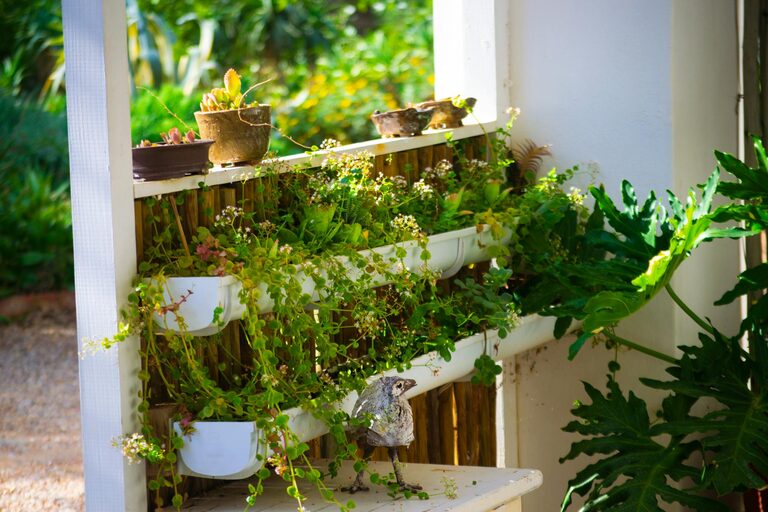
Creating a relaxing garden space at home can provide a much-needed sanctuary where you can unwind, connect with nature, and enjoy moments of peace. Whether you have a small balcony or a spacious backyard, thoughtful planning and design can help you craft a personal outdoor retreat. Here are some practical tips to help you design a calming garden space that invites relaxation.
Start by selecting the most suitable spot in your garden or outdoor area. Consider factors such as sunlight, shade, privacy, and proximity to your home. A quiet corner sheltered from wind and noise often makes the best place for a relaxing garden nook. If space is limited, even a small patio or balcony can be transformed into a tranquil garden.
Comfortable seating is essential for a relaxing garden. Invest in weather-resistant furniture like cushioned benches, hammocks, or lounge chairs that encourage rest and leisure. Arrange the seating to face greenery or a water feature for a calming view. Adding cushions and throws in soft, natural colours can enhance the cosy atmosphere.
Plants play a key role in creating a serene garden. Choose varieties known for their gentle scents and soothing colours, such as lavender, rosemary, jasmine, or chamomile. Include a mix of foliage with different textures to add visual interest. Consider low-maintenance plants if you prefer ease of care, and use pots or raised beds to structure your garden space neatly.
The sound of water is famously relaxing. Even a small water fountain, birdbath, or miniature pond can add a calming element to your garden. The gentle trickle of water helps mask unwanted noise and attracts birds and wildlife, enhancing your connection with nature.
Soft, warm lighting can make your garden inviting in the evenings. Use solar-powered lanterns, fairy lights, or candles to create a gentle glow. Lighting along paths or around seating areas adds safety while maintaining a peaceful vibe. Avoid bright, harsh lighting which can interrupt the relaxing mood.
Privacy helps you fully unwind outdoors. Use hedges, trellises with climbing plants, or garden screens to shield your space from neighbours or passers-by. Trees and pergolas not only provide shade but also create a feeling of enclosure, making your garden feel like a secluded haven.
Incorporate elements that bring you joy and comfort. This might include garden ornaments, wind chimes, or artwork. You could place a small bookshelf with your favourite books or keep a journal nearby for writing. Creating a sensory experience with aromatic herbs or tactile materials like smooth stones can also enhance relaxation.
A cluttered garden can bring stress rather than calm. Regular maintenance to keep plants healthy, pathways clear, and furniture clean will help your space remain inviting. Storage solutions like garden sheds or boxes can keep tools out of sight and preserve the tranquil atmosphere.
A garden that supports wildlife adds life and movement without disruption. Plant nectarrich flowers to attract bees and butterflies, and provide bird feeders to welcome garden birds. Watching wildlife can have calming effects and make your garden space more engaging.
Think about how you wish to use your garden. If you enjoy yoga or meditation, include a flat area with a mat or cushion. For reading and relaxing, arrange seating with good shade and a small table for refreshments. Planning for your favourite activities helps ensure your garden serves your personal needs for relaxation.
—
Creating a relaxing garden space is about combining beauty, comfort, and tranquility. With thoughtful choices in plants, seating, lighting, and privacy, you can create an outdoor retreat that calms the mind and refreshes the spirit. Spend time experimenting and personalising your garden to make it a true sanctuary at home.